

It’s past one in the morning. The phone screen is glowing, your eyes are burning, and still you tell yourself, “Just a little more. I’ll finish this and go to bed.”
Sound familiar? In our culture, sleeping less is almost a badge of honor. The less you sleep, the harder you must be working. But science tells a different story. Sleep is not a luxury. It is your brain’s most important maintenance window.
What Does Your Brain Actually Do While You Sleep?
We tend to think the brain rests when we do. In reality, sleep is when it gets busiest.
In 2013, a team led by American neuroscientist Maiken Nedergaard published a landmark finding in Science. They showed that during sleep, the spaces between brain cells widen, allowing cerebrospinal fluid to flow through and wash away accumulated waste. This system is called the “glymphatic system.” Among the waste it clears is beta-amyloid, a protein linked to Alzheimer’s disease.
Put simply, the debris your brain collects through a long day gets cleaned out while you sleep. Without sleep, it keeps piling up.
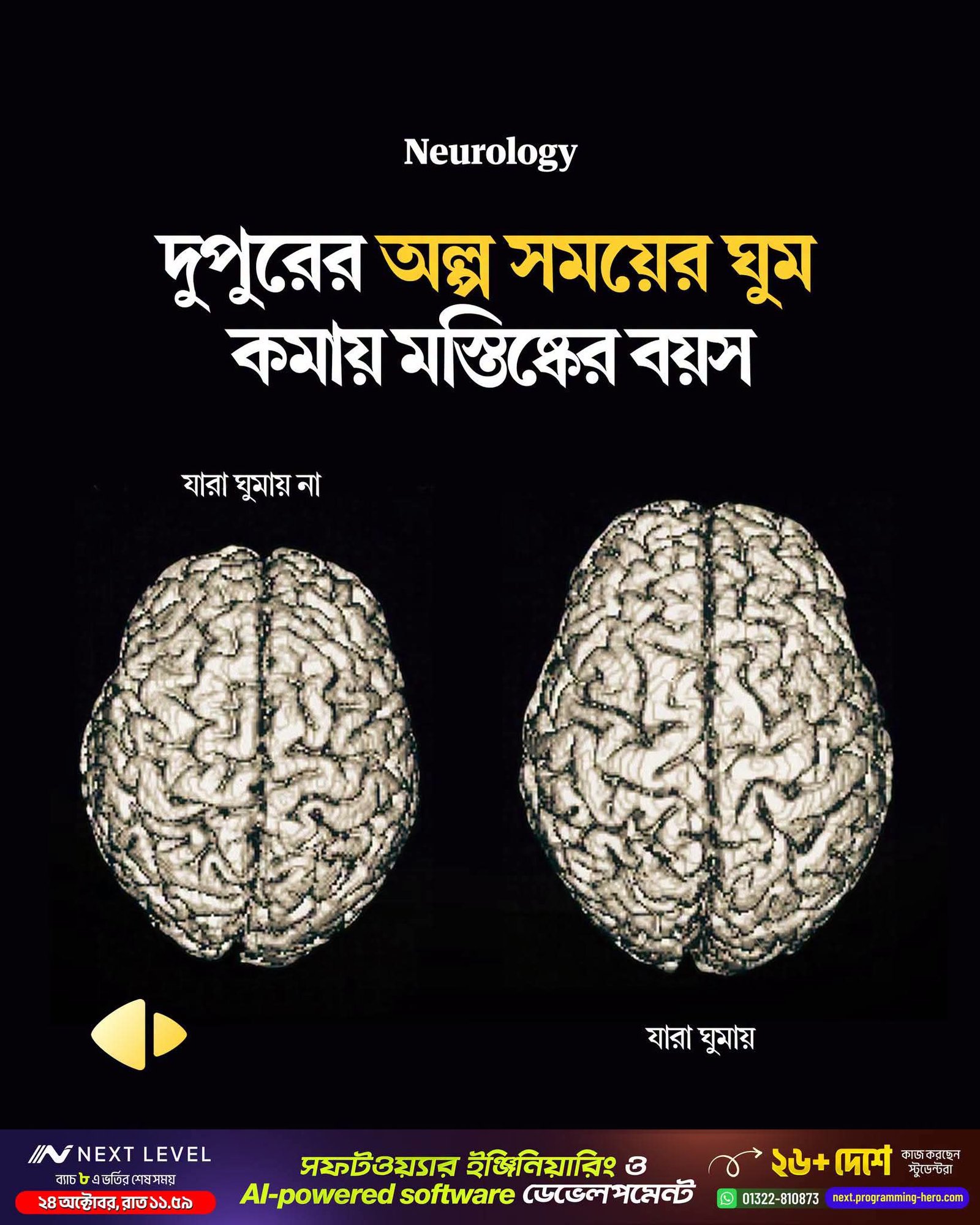
And it’s not only about cleaning. During sleep, your brain sorts the day’s memories and moves them into long-term storage. The material you studied the night before an exam gets locked in during sleep. That’s why pulling an all-nighter and then blanking the next day is such a common experience.
“Six Hours Is Enough for Me.” Really?
Many people say this. But a well-known 2003 study by Van Dongen and colleagues, published in Sleep, challenged that belief. Participants were limited to six hours of sleep per night for two weeks. Their attention and performance declined so much that they ended up close to the level of people who had gone two nights without sleep.
Here’s the striking part: they felt fine. Sleep deprivation not only reduces your performance, it also reduces your ability to notice that it has been reduced.
Another study (Williamson and Feyer, 2000) found that after 17 to 19 hours awake, performance drops to the level of someone with a blood alcohol concentration of about 0.05%. Driving tired or making important decisions while exhausted is far riskier than we assume.
Beyond the Brain
The effects of poor sleep don’t stop at your head.
– Mood: Short sleep increases irritability, anxiety and low mood. Long-term sleep problems are also linked to a higher risk of depression.
– Immunity: Less sleep makes you more likely to fall sick.
– Heart disease and diabetes: Chronic sleep deficiency has been associated with higher risk of both.
Health bodies generally recommend at least seven hours of sleep per night for adults, including the US CDC and the American Academy of Sleep Medicine.
Start Tonight
You don’t need a big overhaul. A few small habits go a long way:
– Sleep and wake at roughly the same time every day, even on weekends.
– Put your phone away 30 minutes before bed. Screen light and endless scrolling push sleep later.
– Skip tea and coffee in the late afternoon and evening. Caffeine stays in the body for hours.
– Keep your room dark and quiet.
– If your mind is crowded, jot down tomorrow’s tasks in a notebook before bed. Your head will feel lighter.
We all want to become something. Success, dreams, a better future for ourselves and the people we love. But if the very brain that dreams, decides, loves and laughs is exhausted and breaking down, who are we running for? The work will still be there tomorrow. The emails will still arrive. But tonight, your brain is asking you for a little care.
So right now, close the screen. Turn off the light. Because sleeping isn’t running away from your work. It’s rebuilding yourself for tomorrow.
Good night.