

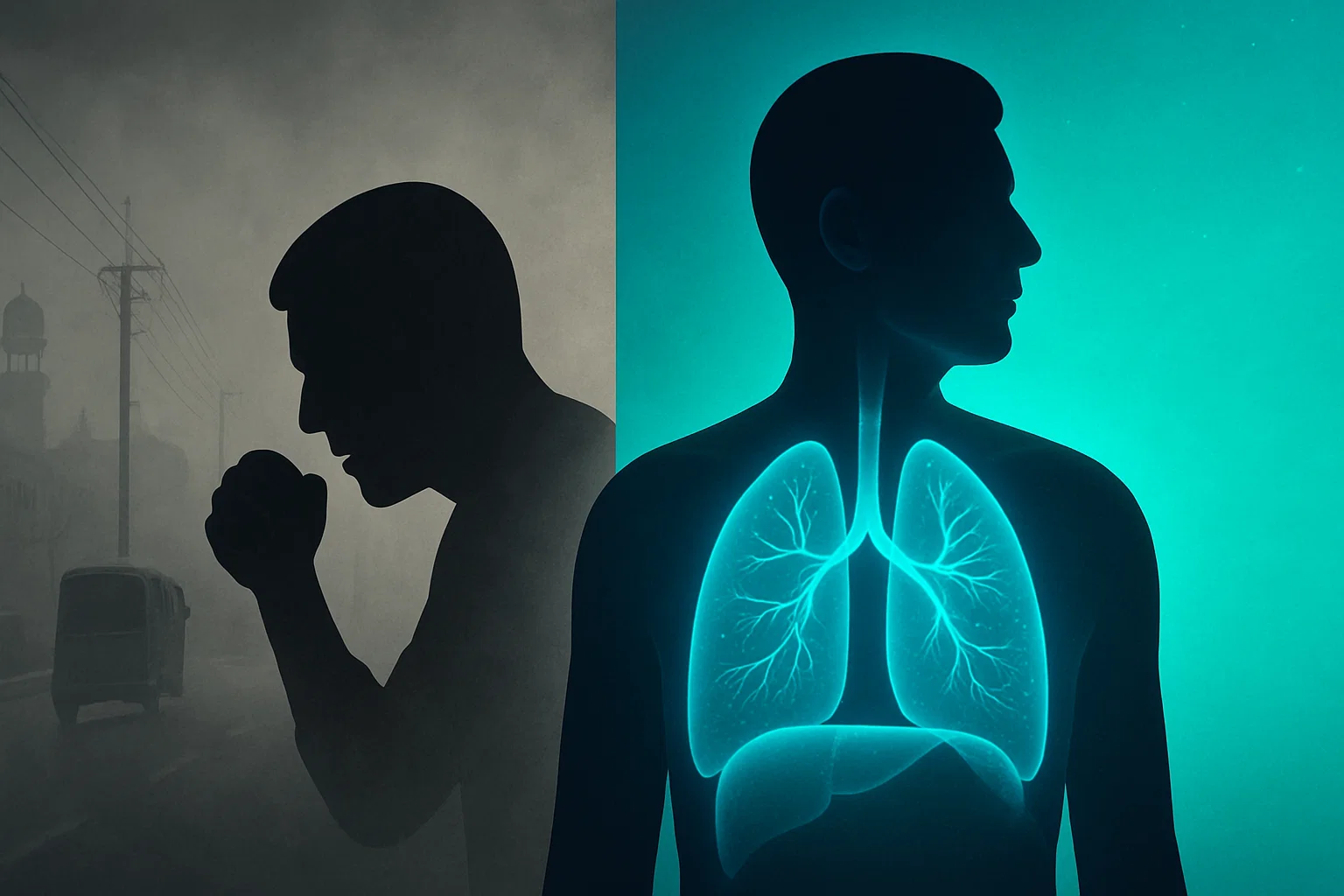
As winter arrives, the air in Dhaka begins to change. Cold winds mix with fog and pollution, creating a heavy, hazy atmosphere. If you go for a morning walk, you may notice a tight feeling in your chest or slight difficulty breathing. For people with asthma, bronchitis, COPD, or other respiratory conditions, winter can be especially challenging.
The good news is that regular breathing exercises can significantly improve lung function, even during the harsh winter months. These exercises are simple, safe, and can be done at home without any special equipment.
Why Lung Care Is More Important in Winter
During winter, cold air, air pollution, and fog combine to put extra stress on our respiratory system. In cities like Dhaka, Chattogram, and Barishal, air quality often worsens due to brick kilns, vehicle emissions, and open burning of waste.
Cold air also causes the airways to constrict, making breathing more difficult. This is why asthma attacks, COPD symptoms, and other breathing problems tend to increase during winter.
Taking care of your lungs in winter is not just about comfort—it is essential for protecting your overall health.
What Is Lung Function and Why Does It Matter?
Lung function refers to how efficiently your lungs can take in oxygen and remove carbon dioxide from your body. Good lung function helps you:
- Feel less tired
- Perform daily activities more easily
- Strengthen immunity
- Reduce the risk of heart disease
- Experience better mental calmness
After the age of 35, lung capacity naturally begins to decline. However, regular breathing exercises and physical activity can slow down this decline and even improve lung efficiency.
1. Diaphragmatic Breathing (Belly Breathing)
This is one of the most effective exercises for strengthening the lungs. Most people breathe using their chest, but proper breathing should engage the diaphragm—a muscle located below the lungs.
How to do it:
- Sit or lie down comfortably with relaxed shoulders.
- Place one hand on your chest and the other on your abdomen.
- Inhale slowly through your nose, allowing your belly to rise while your chest remains still.
- Exhale slowly through your mouth, tightening your abdominal muscles to push the air out.
- Practice for 5–10 minutes.
Benefits:
- Strengthens the diaphragm
- Increases oxygen intake
- Reduces heart rate and blood pressure
- Relieves stress and anxiety
- Highly beneficial for asthma and COPD patients
2. Pursed-Lip Breathing
This technique is especially helpful for people who experience shortness of breath. It helps keep the airways open longer and removes trapped air from the lungs.
How to do it:
- Sit or stand comfortably with relaxed shoulders.
- Inhale slowly through your nose for 2–3 seconds.
- Purse your lips as if blowing out a candle.
- Exhale slowly through pursed lips for 4–6 seconds.
- Repeat 5–10 times, several times a day.
Benefits:
- Keeps airways open
- Reduces breathlessness
- Improves lung efficiency
- Provides quick relief during breathing difficulty
3. Box Breathing (Four-Square Breathing)
This breathing method improves lung capacity while also calming the nervous system. Research shows it can be more effective than traditional meditation for stress reduction.
How to do it:
- Sit comfortably and relax.
- Inhale through your nose for 4 seconds.
- Hold your breath for 4 seconds.
- Exhale slowly through your mouth for 4 seconds.
- Pause for 4 seconds before the next breath.
- Repeat 5–10 cycles.
Benefits:
- Reduces anxiety and stress
- Improves focus and concentration
- Regulates blood pressure
- Enhances sleep quality
4. Rib Stretching Exercise
This exercise increases the flexibility of the rib cage, allowing the lungs to expand more fully.
How to do it:
- Stand upright with feet shoulder-width apart.
- Place your hands on the lower ribs.
- Take a deep breath through your nose and feel your ribs expand.
- Hold your breath for 10–15 seconds.
- Exhale slowly through your mouth.
- Repeat 3–5 times.
Benefits:
- Improves chest flexibility
- Enhances lung expansion
- Strengthens chest muscles
5. Humming Bee Breathing (Bhramari Pranayama)
This ancient yogic breathing technique creates vibrations in the airways that promote respiratory health.
How to do it:
- Sit comfortably with a straight spine.
- Close your eyes and gently block your ears with your fingers.
- Inhale deeply through your nose.
- Exhale slowly while making a humming sound like a bee (“mmm”).
- Repeat 5–7 times.
Benefits:
- Calms the nervous system
- Improves airway health
- Reduces sinus congestion
- Enhances sleep quality
6. Cardio Exercise for Lung Health
Breathing exercises work best when combined with regular physical activity. Walking, cycling, swimming, or light jogging strengthens the lungs and improves oxygen delivery.
Winter exercise tips:
- Exercise between 10 AM and 4 PM when temperatures are higher
- Work out indoors if air pollution is high
- Warm up properly to prevent muscle stiffness
- Breathe through your nose to warm the air
- Aim for at least 30 minutes of walking daily
Additional Winter Lung Care Tips
- Steam inhalation: Take steam 1–2 times daily to clear airways
- Stay hydrated: Drink 8–10 glasses of water even in winter
- Keep indoor air clean: Ventilate rooms and avoid smoking or incense
- Eat lung-friendly foods: Citrus fruits, leafy greens, fish, ginger, turmeric
- Quit smoking: Smoking is the biggest enemy of lung health
Your lungs are one of the most vital organs in your body. With a little extra care during winter and just 10–15 minutes of daily breathing exercises, you can significantly improve lung function, reduce fatigue, and breathe more easily.
Winter may bring cold air and pollution, but it does not have to weaken your lungs. Start today, stay consistent, and you will feel the difference—calmer breathing, more energy, and better overall health.
Your lungs will thank you.