

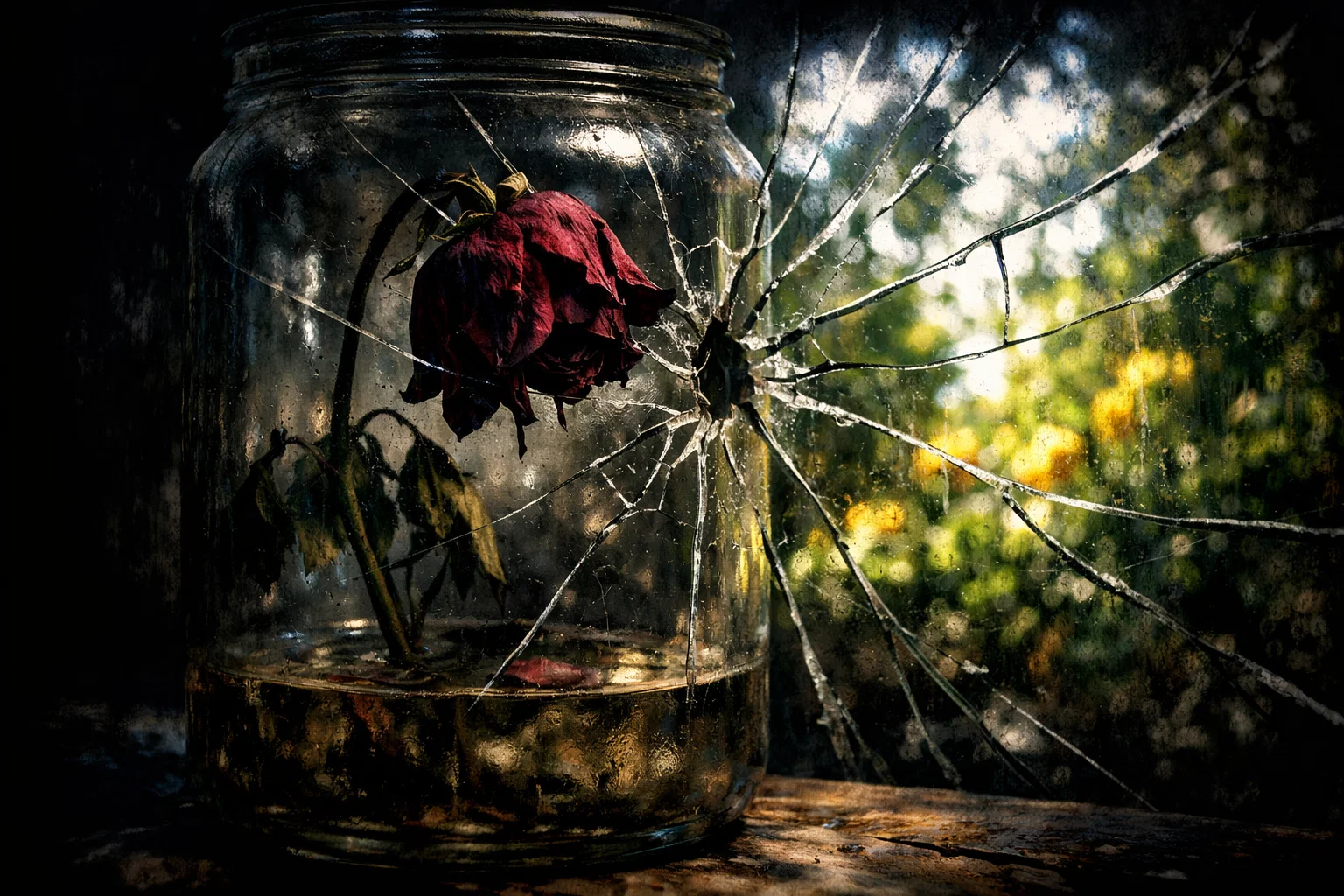
A good relationship—friendship, romance, marriage, or family—should feel like a safe place. Not perfect. Not conflict-free. But safe.
A toxic relationship is different. It doesn’t always look like shouting, insults, or dramatic breakups. In many cases, it starts quietly—through confusion, control, and emotional instability—until you slowly lose confidence in yourself.
The most dangerous part? Toxic patterns often make you doubt your own reality.
Below are the clearest psychological signs of a toxic relationship—why they work, why they hurt, and how to respond with clarity.
First, what “toxic” really means
“Toxic” isn’t a clinical diagnosis. It’s a pattern: a relationship dynamic that repeatedly damages your mental health, self-respect, autonomy, or sense of safety.
The World Health Organization describes intimate partner violence broadly as behavior in an intimate relationship that causes physical, psychological, or sexual harm, including psychological abuse and controlling behaviors.
You don’t need bruises for harm to be real.
1) You’re always made “the problem”
In toxic dynamics, your feelings get reframed as evidence that you are flawed.
- If you’re hurt: “You’re too sensitive.”
- If you complain: “You always create drama.”
- If you react: “See? You’re unstable.”
This is closely linked to gaslighting—a form of psychological manipulation where someone tries to make you doubt your memory, perception, or judgment.
Why it works: Humans rely on social feedback to calibrate reality. When your reality is repeatedly questioned, you start outsourcing your truth to the other person—until you can’t trust yourself.
What it does to you: self-doubt, anxiety, over-explaining, apologizing for normal emotions.
2) Control is disguised as love
Control rarely announces itself as control. It shows up as “care.”
- “Why do you need friends?”
- “I worry when you go out—share your live location.”
- “Don’t wear that. People will stare.”
- “If you loved me, you wouldn’t…”
This is not protection. This is ownership.
A simple test:
Healthy love says, “I want you safe.”
Control says, “I want you smaller.”
3) Respect is missing—even when affection exists
Respect is not a bonus feature. It’s the foundation.
If someone:
- mocks you,
- dismisses your opinions,
- interrupts constantly,
- humiliates you privately or publicly,
…then the relationship is unsafe, even if they can also be charming, affectionate, or generous.
Hard truth: Affection without respect becomes emotional decoration on top of harm.
4) You’re doing all the emotional labor
In a healthy relationship, both people repair ruptures. In a toxic one, you carry the responsibility for harmony.
You’ll notice patterns like:
- You always initiate conversations,
- You’re always the one who apologizes (even when you’re not at fault),
- Your needs are treated as “demands,” but theirs are treated as “rights.”
Over time, your nervous system learns: peace is your job. That’s exhausting—and it trains you to accept less.
5) The emotional roller coaster: intense highs, crushing lows
One day: love-bombing, attention, warmth.
Next day: coldness, criticism, silence, rage.
This inconsistency isn’t just painful—it can become addictive.
From a behavioral psychology lens, unpredictable rewards (warmth given randomly) can create powerful attachment loops—similar to intermittent reinforcement, which is known to make behaviors harder to stop.
What it does to your brain: you start chasing the “good version” of them, believing you can earn it back—while the rules keep changing.
6) They don’t celebrate your growth
A healthy partner/friend feels proud when you win.
A toxic person may:
- minimize your success (“It’s not a big deal”),
- compete with you,
- guilt you for improving,
- sabotage opportunities subtly.
Because your growth threatens their control.
If your progress creates tension, pay attention. Love isn’t threatened by your evolution.
7) After interacting with them, you feel smaller
This is the most honest signal.
Ask yourself:
- Do I feel calm or on edge after we talk?
- Do I feel more confident—or more confused?
- Do I recognize myself in this relationship?
A healthy relationship increases your sense of self.
A toxic one slowly replaces it with fear, guilt, and self-doubt.
What to do when you recognize toxicity
1) Name the pattern (not just the incident)
Don’t argue about one fight. Look at the repeated cycle: control → blame → instability → apology demands → temporary sweetness → repeat.
2) Set one clear boundary—and watch the response
Example: “Don’t insult me. If it happens, I will end the conversation.”
Healthy people may feel uncomfortable—but they adjust.
Toxic people punish you for boundaries.
3) Stop over-explaining
Over-explaining often feeds the dynamic. Boundaries work best when they’re short and consistent.
4) Build reality support
Talk to a trusted friend/sibling, or a therapist/counselor. Toxic dynamics thrive in isolation.
5) Choose the distance if the pattern continues
Sometimes the healthiest choice is not “fixing” the relationship—it’s protecting your peace.
If there is abuse or fear
If you feel unsafe, prioritize safety planning and professional support. You don’t need to “prove” harm to deserve protection.
A toxic relationship doesn’t always break you loudly. Sometimes it breaks you quietly—by teaching you to distrust yourself.
So ask the most important question, without guilt:
“Do I feel safe being fully myself here?”
If the answer is no, your peace deserves to become your priority.